Details on near-Earth asteroid visible in Maldives tomorrow - މާދަމާ ދުނިޔެ ކައިރިޔަށް އަންނަ އެސްޓްރޮއިޑްއާއި ބެހޭ

މާދަމާ (15 ފެބުރުއަރީ) ދުނިޔެއާއި ވަރަށް ކައިރިން އެސްޓްރޮއިޑެއް ދާނެކަމަށް ފަލަކީ އިލްމުވެރިން ބުނަމުންދާތާ ދުވަސް ކޮޅެއްވެއްޖެއެވެ. އަދި މިފަހަރު ކަންދިމާކުރާގޮތުން މިއެސްޓްރޮއިޑް ދިވެހިރާއްޖެއަށްވެސް ފެންނާނެއެވެ. ހަމަ ލޮލުން ފެންނަވަރަށްވުރެ ކުޑަ ތަންކޮޅެއް ފަނޑުކަމުގައިވިޔަސް، ދުރުމީ ނުވަތަ ޓެލެސްކޯޕެއްގެ އެހީގައި ބަލައިލެވޭނެއެވެ.

މިއެސްޓްރޮއިޑް ރާއްޖެއަށް ފެންނަގޮތަށް ފެނުން މައްޗަށް އަރާނީ ގާތްގަޑަކަށް 15 ފެބުރުއަރީގެ 22:00 ޖަހާއިރު ދެކުނުންނެވެ. ނަމަވެސް ފަސޭހައިން ފެންނަފަށަށް އަރާނީ 23:00 އިންފެށިގެންނެވެ. އޭރު ހުންނާނީ ކްރަކްސް ނުވަތަ ސަދަން ކްރޮސް ކޮންސްޓެލޭޝަން ކައިރީގައެވެ. އަދި 16 ފެބުރުއަރީގެ 00:30 އާއި 01:00 އާއި ދެމެދު ހުންނާނީ ވާގޯ އާއި ލިއޯ ކޮންސްޓަލޭޝަން އާއި ދެމެދެވެ. މިވަގުތަކީ މިއެސްޓްރޮއިޑްގެ ދުނިޔެއާއި އެންމެ ކައިރިވާ ވަގުތާއި ކައިރި ވަގުތެއްކަމުން އޭގެ އަލި އެންމެ ގަދަވާނެވެސް ވަގުތު ކޮޅެކެވެ. މިތަކެތި ފަސޭހައިން ހޯދުމަށް ފޯނަށް "ގޫގްލް ސްކައި މެޕް" (އެންޑްރޮއިޑް) ނުވަތަ "ސްޓާ މެޕް" (އައިއޯއެސް) ފަދަ އެޕެއް ބޭނުން ކުރެވިދާނެއެވެ.
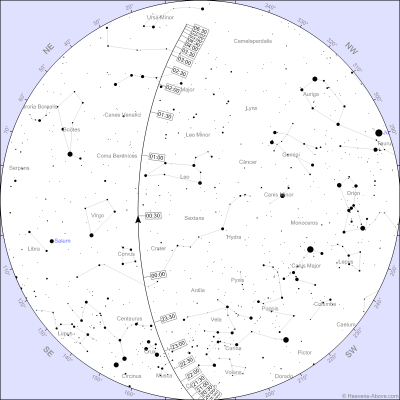

އުޑުމަތިން "2012 DA14" އެސްޓްރޮއިޑްގެ ދަތުރު ފެންނާނެގޮތް – ހެވަންސް އެބަވްއިން


އެސްޓްރޮއިޑް މިހާރު ހުރިތަނުގެ އެންމެ ފަހުގެ މައުލޫމާތު - ނާސާ


"2012 DA14" ގެ ނަންދެވިފައިވާ މިއެސްޓްރޮއިޑަކީ ދުނިޔާއި ގާތުން ދަތުރުކުރާ ދުންތަރިތަކާއި އެސްޓްރޮއިޑްތަކުގެ އާއިލާ ("ނިއާ އާތު އޮބްޖެކްސް") އަށް ނިސްބަތްވާ އެއްޗެކެވެ. މީގެ ބޮޑުމިނަކީ ގާތްގަޑަކަށް 150 ފޫޓެވެ އަދި ބަރުދަނަކީ 130000 މެޓްރިކް ޓަނެވެ. މީތި ފުރަތަމަ ހޯދިފައިވަނީ 23 ފެބުރުއަރީ 2012 ގައެވެ. ހިސާބުތަކަށް ބަލާފައި މި އެސްޓްރޮއިޑް ދުނިޔެއާއި އެންމެ ކައިރިވާނީ 16 ފެބުރުއަރީގެ (ރާއްޖެގަޑިން) 00:24ގައިކަމަށާއި އެވަގުތު އެންމެ ކައިރިވާނީ އިންޑިއާ ކަނޑުން ސުމަޓުރާ ބޭރުން ކަމަށް ސައިންސްވެރިން ވަނީ ވިދާޅުވެފައެވެ. ގައިއަކު 28100 ކިލޯމީޓަރު ނުވަތަ ސިކުންތަކު 7.82 ކިލޯމީޓަރުގެ ބާރު މިނުގައި ދުނިޔެއާއި ދިމާލަށް ދަތުރުކުރަމުންދާ މިއެސްޓްރޮއިޑް ދުނިޔޭގެ ސިސްޓަމް ތެރެއިން ބޭރަށް ދާނީ 16 ފެބުރުއަރީގެ (ރާއްޖެ ގަޑިން) 17:00 ގައެވެ.

މި އެސްޓްރޮއިޑް ދުނިޔެއާއި އެންމެ ކައިރިވާ ވަގުތު މިއެސްޓްރޮއިޑާއި ދުނިޔެއާއި ދެމެދު ދުރުމިނަކަށް ހުންނާނީ އެންމެ 27700 ކިލޯމީޓަރެވެ. މިއީ ދުނިޔޭގެ ވައިގެ ފަށަލައައްވުރެ މާދުރެވެ އަދި ބައިނަލް އަގުވާމީ ޖައްވީ ސްޓޭޝަނައީ ދުނިޔެއާއި ކައިރި ބުރުޖެއްގައިވާ ތަފާތު ސެޓެލައިޓްތަކަށްވުރެވެސް ދުރެވެ. ނަމަވެސް މިއީ ޖީޕީއެސް އަދި ތަފާތު މުވާސަލަތީ ސެޓެލައިޓްތައް ދަތުރުކުރާ "ގިއޯ ސިންކްރޮނަސް އޯބިޓް" އޭ ކިޔާ ބުރުޖައްވުރެ ކައިރިއެވެ އަދި ހަނދަށްވުރެ ގާތްގަޑަކަށް ދިހަބައި ކުޅަ އެއްބައި ކައިރިއެވެ! އެއްވެސް ސެޓެލައިޓެއްގައި މީތި ޖެހުމުގެ ބިރެއް ނެތްކަމަށް ސައިންވެރިން ވަނީ ވިދާޅުވެފައެވެ.

މިބޮޑުމިނުގެ އެސްޓްރޮއިޑެއް ދުނިޔެއާއި މިހާކައިރިވާނެ ކަމަށް މިހާތަނަށް ހޯދިފައިވާ "ނިއާ އާތު އޮބްޖެކްސް"ގެ އަލީގައި ބެލެވޭ ފަހަރަކީ މިއެވެ. މިއެސްޓްރޮއިޑް ބަލަން ރާއްޖޭގެ ހުރިހާ ހިސާބެއްހެން ކަމުދާނެއެވެ. ނަމަވެސް އިރަށްވާ ރަށްތަކަށް ކުޑަކުޑަ މޮޅުކަމެއް ލިބިދާނެއެވެ.

މިފަހަރުގެ މިބައްދަލުވުމުގައި ދުނިޔޭގެ ގްރެވިޓީއާއި ހެދި މީގެ ބުރުޖަށް ބަދަލުތަކެއް އަންނާނެއެވެ. ދެން ދުނިޔެއާއި އެންމެ ކައިރިޔަށް މިއެސްޓްރޮއިޑް އަންނާނީ 15 ފެބުރުއަރީ 2046 ގައެވެ ނަމަވެސް ދަތުރުކުރާނީ މިފަހަރުހާ ގާތަކުން ނޫނެވެ.
ދުނިޔާއި ގާތުން ދަތުރުކުރާ މިފަދަ ތަކެއްޗަކީ ދުނިޔައަށް ނުރައްކާ ހުރި ތަކެތި ކަމުން ސައިންސްވެރިންނާއި ދުނިޔޭގެ ބޮޑެތި ގައުމުތަކުގެ އަސްކަރިއްޔާއިން ބަލަމުން ގެންދެއެވެ. ނަމަވެސް މިފަހަރަކު ދުނިޔެއަށް މާބޮޑު ނުރައްކަލެއް ނެތްކަމަށް އެތީގެ ބުރުޖާއި ސުޕީޑާއި ތަފާތު ކަންކަމަށް ބެލުމަށްފަހު ސައިންސްވެރިންވަނީ ޔަގީންކަން ދީފައެވެ.

ދުންތަރިއާއި އެސްޓްރޮއިޑަކީ ތަފާތު ދެއެއްޗެކެވެ. މިދެއެއްޗަކީވެސް ފަޒާގެ ތެރޭގައި ދަތުރުކުރަމުންދާ އެއްޗެއްކަމުގައިވިޔަސް އެސްޓްރޮއިޑަކީ މައިގަނޑު ގޮތެއްގައި ގަލެވެ އަދި ދުންތަރިއަކީ މައިގަނޑު ގޮތެއްގައި ގަނޑުވެފައިވާ ތަފާތު ގޭހައި ފެނެވެ. އަހަރެމެންގެ ސޯލާސިސްޓަމްގައިވާ ހުރިހާ ދުނިޔެތަކެއް ފަދައިން މިސޯލާސިސްޓަމްގެ ތެރޭގައިވާ އެސްޓްރޮއިޑްތައްވެސް ދައުރުކުރަނީ އިރުގެ ގްރެވިޓީގެ ބާރާއި ހެދި ހަމަ އަހަރެމެންގެ އިރުވަށައެވެ. އެހެނިހެން ދުނިޔެތަކުގެ ގްރެވިޓީގެ ބާރާއި ހެދި އެތަކެތީގެ ބުރުޖަށް އަންނަ ބަދަލުތަކާއި ހެދި ބައެއް އެސްޓްރޮއިޑާއި ދުންތަރި ދުނިޔޭގެ ބުރުޖާއި ކައިރިވެ އަދި ބައެއް ފަހަރު ދުނިޔެއާއި ޖެހި މުޑިއަރައެވެ. މިގޮތަށް މުޑި އެރުމަކީ އަހަރެމެންނާއި ދުނިޔޭގައިވާ ދިރުމަށް ހުރި ބޮޑު ނުރައްކަލެކެވެ. ދުނިޔޭގައި އިންސާނުންގެ ކުރިން އުޅުނު ބިޔަ ޖަނަވާރުތަކެއްކަމުގައިވާ ޑައިނަސޯތައް ނެތި ދިޔައީ ވަރަށް ބޮޑު އެސްޓްރޮއިޑެއްގެ ސަބަބުންކަމަށް ސައިންސްގެ އަލީގައި އެނގެއެވެ.

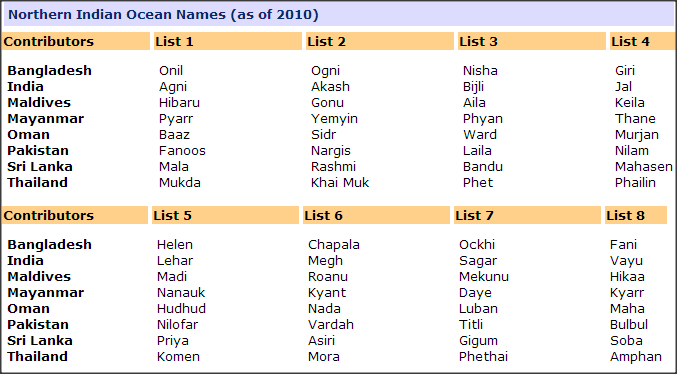
Tropical cyclone names and Maldives: Hibaru, Gonu, Aila, Keila, Madi, Roanu, Mekunu, Hikaa

Tropical cyclones are given names based on a small list containing a set of names for every year by the World Meteorological Organization. Names are given because it is easier to refer to and remember. The list is rotated every few years and names are reused. "Katrina" and "Sandy", became widely known because these tropical storms went onto develop into hurricanes and cause devastating damage in the US. There are different lists for different areas (ocean basins) of the world.

But what I didn't know before was that there is a list of names contributed by Maldives as well, for naming tropical cyclones in the Northern Indian Ocean. The names contributed by Maldives are all local Dhivehi names for different fish: Hibaru, Gonu, Aila, Keila, Madi, Roanu, Mekunu and Hikaa.


I am not sure if there's been any actual tropical cyclone that has been given a Maldives contributed name though...

Edit:
Ludge pointed me to a note "Cyclones Named by Maldives" that he had posted on Facebook in 2009 that had a lot more information on this:
...
Maldives has provided names to cyclones before, such as Cyclone Hibaru (January 2005), Cyclone Gonu (June 2007) and now Cyclone Aila (May 2009).
...

Cyclone Gonu is the "strongest tropical cyclone on record in the Arabian Sea, and is also the strongest named cyclone in the northern Indian Ocean".

Kandu geri monster

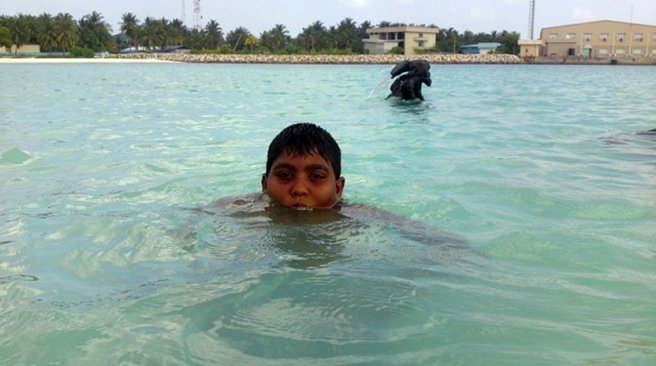
The photo below seems to have gone viral in the Maldives. The photo was snapped by someone from the police station in the island of Kulhudhuffushi in HDh. Atoll and according to the news, has caused panic and fear among some in the island and elsewhere. Haveeru Daily reported that even the police have now started to look into it. All because the black "thing" seen behind the kid in the photo is not easily discernible as being something we are familiar with. The general conclusion seems to be that it is an unknown creature. Some are calling it a "kandu geri" (hippopotamus), some consider it to be a "fureytha" (jinn) and some consider it to be a walrus or seal. Anyone who has ever seen a hippopotamus or seal or walrus will easily dismiss those claims.


Original picture


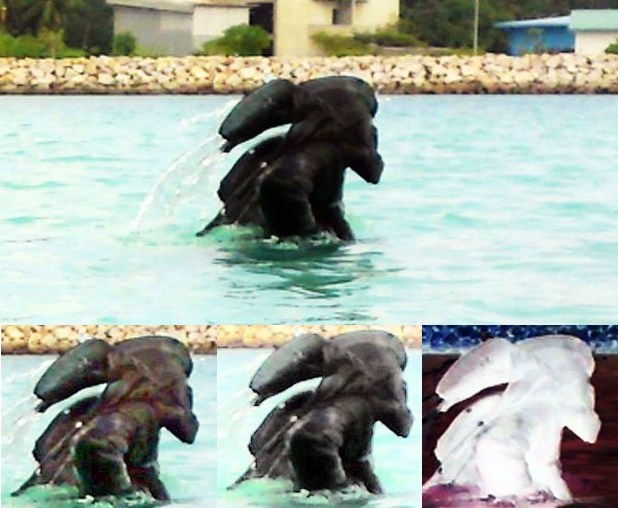
I tend to agree with the people who think it is just a woman in a black abaya and large black "buruga" (burka). The person who took the photo apparently says that he did not notice the thing at the time he took the picture and only noticed it later when he was copying the pictures from the camera to a computer. That really is clue number 1 - people tend to ignore things they are familiar with. He most certainly had seen the "thing" at the time but ignored it because he had seen a woman in the background and was not really concerned with what she was doing or how she appears frozen-in-motion in the picture.


Processed to highlight various aspects


Clue number 2 comes from processed pictures where light levels have been manipulated to show more details, as I have done in the picture above. The thin material of the burka appears against the background as being translucent. The form of the human body is also discernible with the limbs and the cloth wrapping around it. Abayas and burkas are designed to obfuscate the human form and it performs its job well for the woman in the snapshot!

Will this madness persist and a myth like the Loch Ness monster be created in the Maldives? What shall it be called? "Kandu geri" monster? I doubt the woman will be flattered.

Flight from Gan to Hulhule in Google Earth

I took the flight operated by Maldivian on the way back to Male' from a little holiday to Fuvahmulah and Addu atolls last month and logged the flight path using the GPS on my phone. I finally had a moment today to pass the track log to Google Earth and look at it inside the program's great 3D visualization of the globe. And it looks atleast as cool as I had hoped!

The journey was logged from boarding to landing, from the Gan International Airport in Addu Atoll to Hulhule International Airport in Male' Atoll. To log the flight path, I used the free and very capable OruxMaps application for Android on my Google Nexus One phone (which was put in flight mode throughout). The track log was exported from OruxMaps as a GPX format file which can be read easily by Google Earth. The free application TourMaker helped convert the GPX data to KML code for a nice Google Earth "tour" of the path, which then I tweaked by hand a little bit to fit my liking.

Anyway, check out the video of the tour I made below. I am putting up for download, the raw GPX data (which contains latitude/longitude, timestamp, altitude, bearing and speed information) and the Google Earth KMZ files I made (one showing the flight path with altitude and the other a tour).

- Gan to Hulhule flight: GPX GPS log (Zip, 54KB)
- Gan to Hulhule flight: Google Earth tour (Kmz, 40KB)
- Gan to Hulhule flight: Google Earth track (Kmz, 37KB)


GOCE satellite: Maldives 100 meters below

Being a Maldivian, the thing that jumps out the most on the just recently released gravity model produced from the high resolution measurements of gravitational pull across the Earth, gathered by the European Space Agency's GOCE satellite, is that Maldives is located within a curious blob of colour - the only blob of that colour in the map. The colour blob, it turns out, signifies areas where the difference between the geoid (a hypothetical global mean sea level undisturbed by weather and currents) and the perfect ellipsoid shape that Earth approximates overall, sinks to its lowest of -100m!

Apart from that, this reaffirms that the gravitational pull experienced in the Maldives is lower than most places on Earth...

GOCE Model
Credits: GOCE High Level Processing Facility

Domain names in Thaana?

The Internationalized Domain Names for Applications (IDNA) standard which allows non-Latin alphabet to be used as domain names has been around for a few years and many of the top domain registries do support IDN registration now. ICANN, the corporation responsible for the management of the domain name system, also recently approved the creation of country-code top level domains in non-Latin alphabet. Hence, countries can now use top-level domains in their own language. Egypt, for example, now has adopted "‏مصر" as an option in addition to the usual Latin-based top level domain "eg".

The IDNA standard, along with the recent ICANN approval, means that there is now a framework allowing domain names to be written entirely written in Thaana. Before one gets too excited, there are a few issues to be aware of though. First, unfortunately the use of fili (diacritics) in the name seems to be not supported by IDNA (I've yet to read up to see whether this is an issue with the current implementations of IDN or something inherent in the IDNA standards). So, any domain name will be just a jumble of Thaana letters for now. I had to choose the address "ޖ.com" instead of "ޖާ.com" because the latter is unsupported. Second, for us to be able to have fully Thaana domain names, the government has to first adopt a suitable top-level domain (perhaps "ދވހރއޖ" or "ރއޖ"?), get ICANN approval and then wait for licensed Maldivian domain registrars (only Dhiraagu as far as I am aware) to start accepting registrations under the new top-level domain. This might seem quite pointless but given the increasing number of Thaana-based websites, I think we are soon going to see an explosion in the number of websites with domain names in Thaana.

Let's see how it all goes... :-)

Charles Anderson on dragonfly migration to the Maldives

Here's a TED Talk that should be of interest to all curious Maldivians. Charles Anderson, a British marine biologist working and living in the Maldives for 26 years, reports on how him noticing the sudden emergence of dragonflies in the Maldives at certain times of the year led him to discover the world's longest migratory journey taken by any insect. It is a truly riveting story of curiosity and scientific discovery.

I now have an answer to a question I used to wonder about when I was a kid: Where do the dragonflies came from?